
Japanese tattoos, or Irezumi, trace their origins back thousands of years, merging with Japan's rich history of art and societal shifts.
This traditional form of body art has evolved from ancient tribal symbols to complex works that are both revered and stigmatised within Japanese culture.
Historical Background
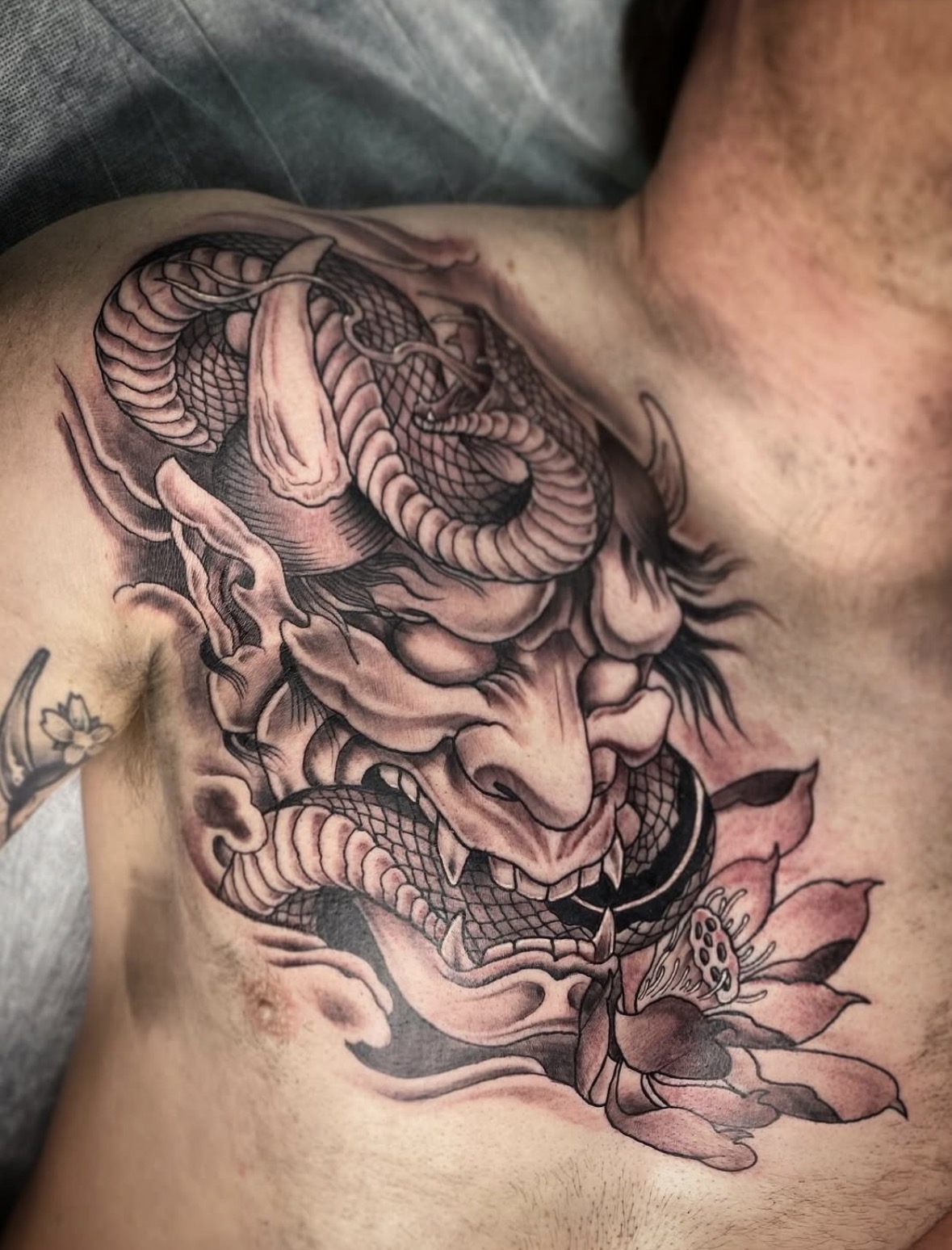
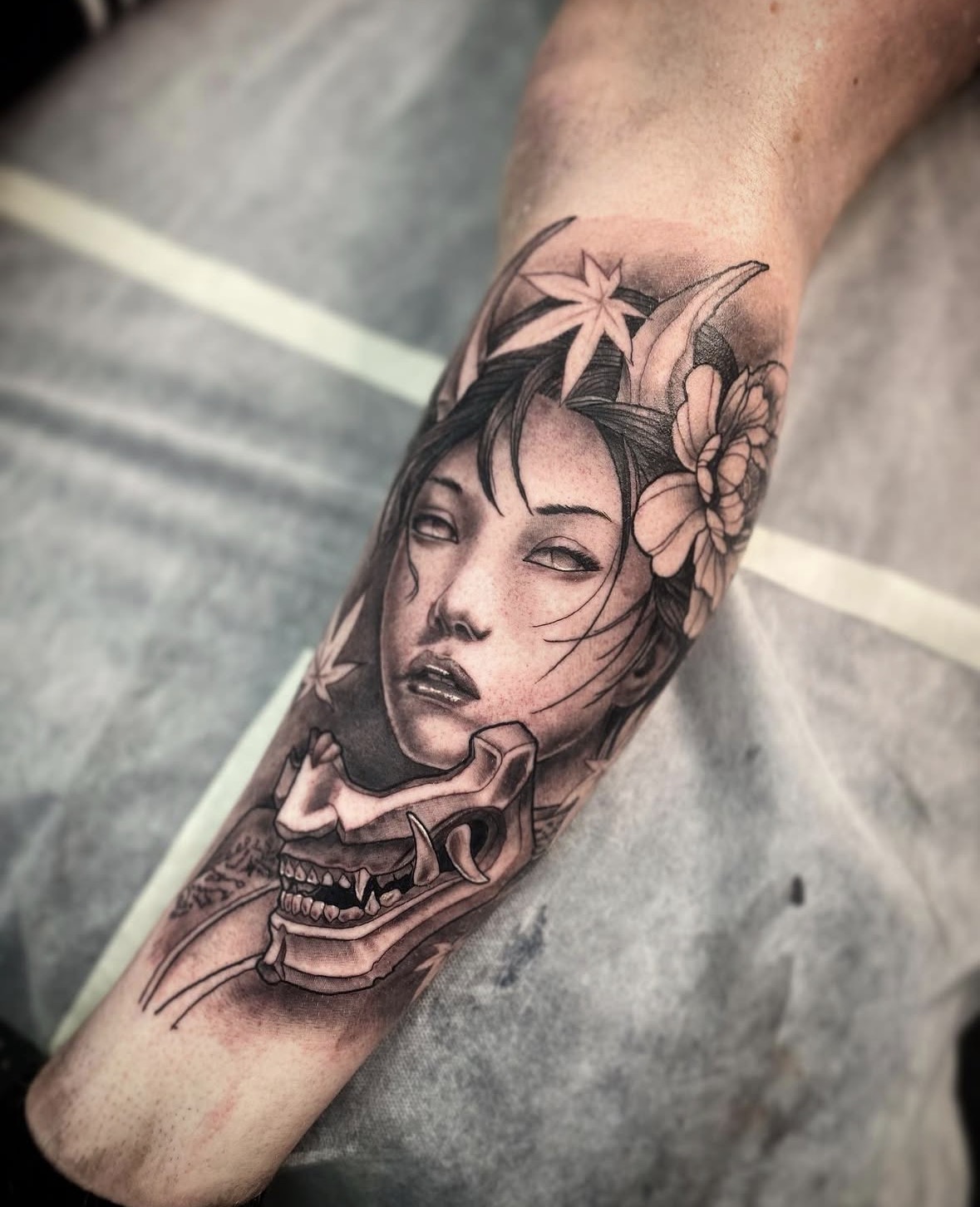
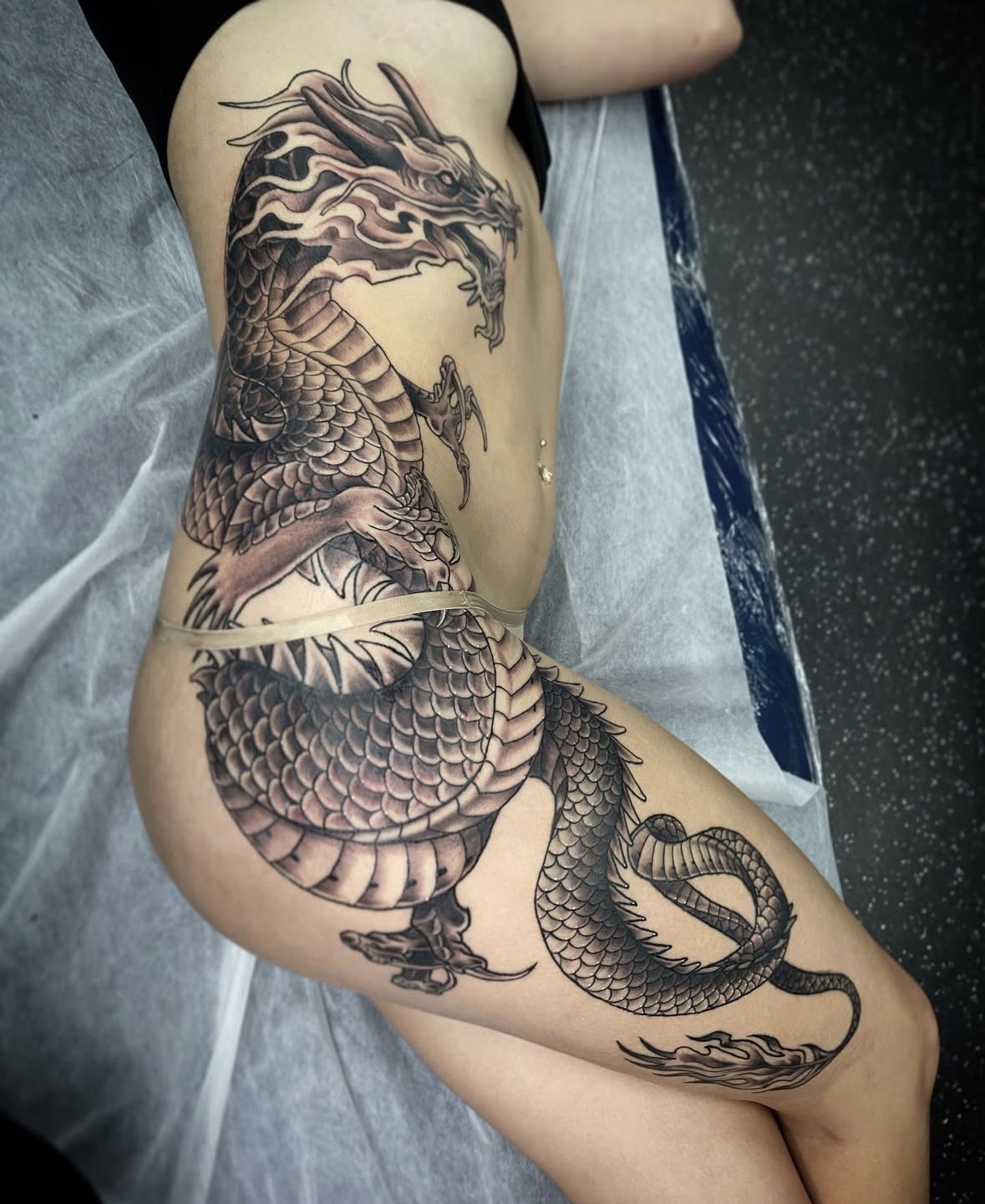
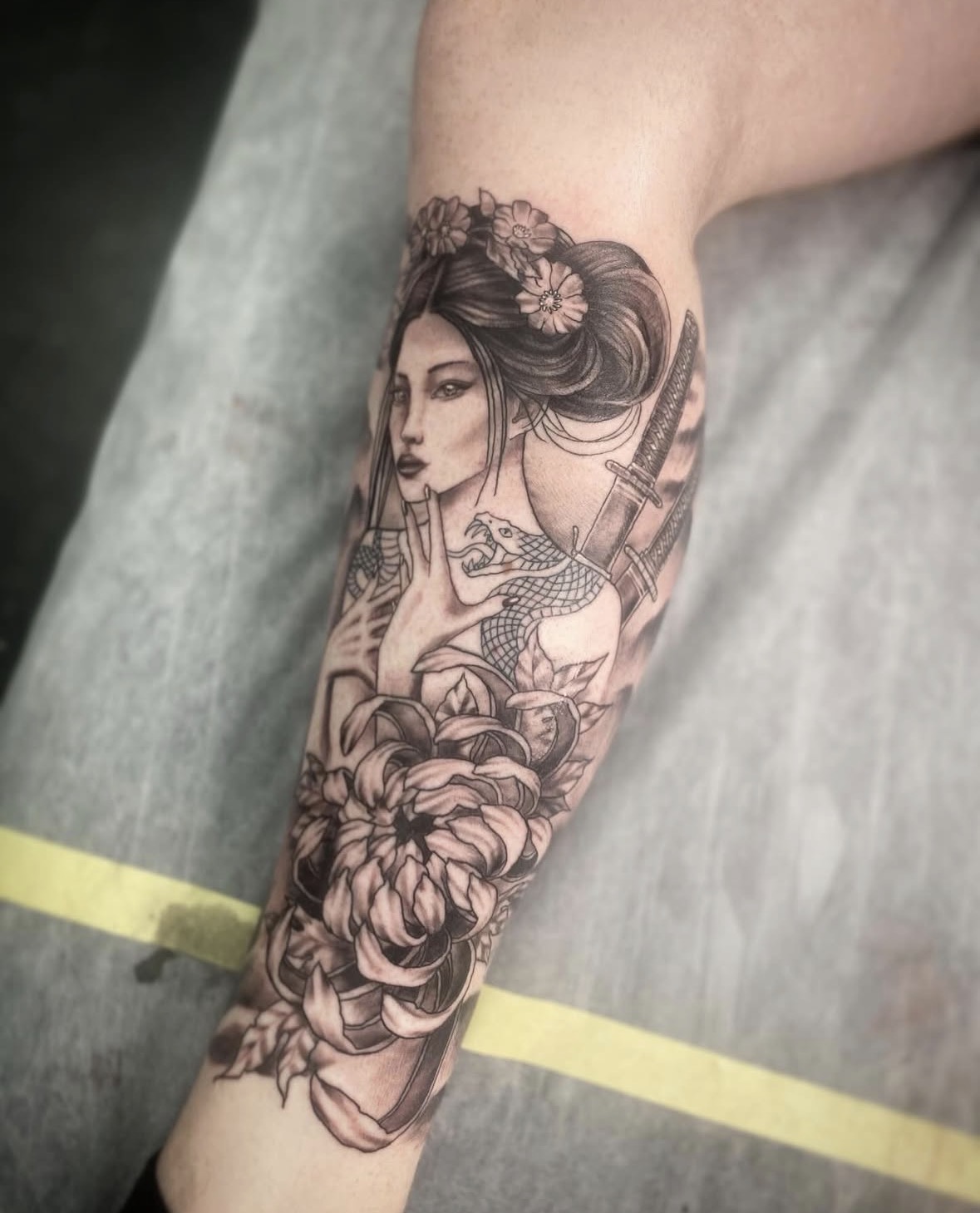
Irezumi's history began during the Jomon period (14000-300 BC) with rudimentary forms of tattooing, which evolved significantly by the Kofun period (300-600 A.D.) where tattoos became a symbol of criminal punishment. This aspect of tattooing remained until the 17th century, when tattooing started to shake off its punitive shackles and embraced the influence of Ukiyo-e, the art of woodblock prints. These prints often depicted vibrant scenes of folklore and mythology, elements that would become thematic staples in Irezumi.
Transformation in the Meiji Era
The Meiji period (1868-1912) marked a significant turn for many Japanese cultural practices, including Irezumi. As Japan opened its doors to the West, tattoos were banned in an effort to clean up Japan's image abroad. This ban pushed Irezumi underground, where it became associated with the Yakuza, Japan's organised crime syndicates. Tattoos during this time became elaborate works of art, covering large areas of the body as a silent act of defiance against societal norms.
Modern Revival and Global Influence
The prohibition of tattooing was lifted in 1946, and since then, Irezumi has experienced a resurgence not just in Japan, but globally. Today, Japanese tattoos are celebrated for their rich symbolism and meticulous craftsmanship. Traditional designs like the koi fish, which symbolizes perseverance, and the cherry blossom, denoting the ephemeral nature of life, are especially popular. Despite their beauty and artistry, tattoos in Japan still carry a stigma, often limiting social opportunities for those adorned with them. However, perceptions are gradually shifting as tattoos gain recognition as a legitimate and profound form of personal and artistic expression.
Japanese tattoos remain a poignant reflection of Japan's cultural and artistic history. They serve as a narrative canvas that tells stories of folklore, nature, and the human condition, resonating with individuals across the globe.
As Irezumi continues to thrive, it challenges traditional perceptions, embracing its role as a cultural ambassador and a medium of individual expression.
Slide into our DM's on Instagram with your idea, preferred size, placement and a few inspo pics.
We will reply with availability and next steps as soon as wecan!
From black & grey realism to fine line, Chicano, traditional, color, and more artists cover it all. Browse each artist’s page for their signature work.
Walk-ins are welcome when we have space, but booking ahead is best, big tattoos.
Eat well, hydrate, and rest up. Wear comfy clothes and skip alcohol or blood thinners before your appointment.
We’ll give you aftercare tips in-studio. In short: keep it clean, moisturie, avoid sun and swimming, and let it heal naturally.